
Elderly care at home in Coventry and Warwickshire
You do not need a complex medical condition to benefit from care at home. If everyday routines are becoming harder, we can talk about support shaped around your needs, preferences and independence.
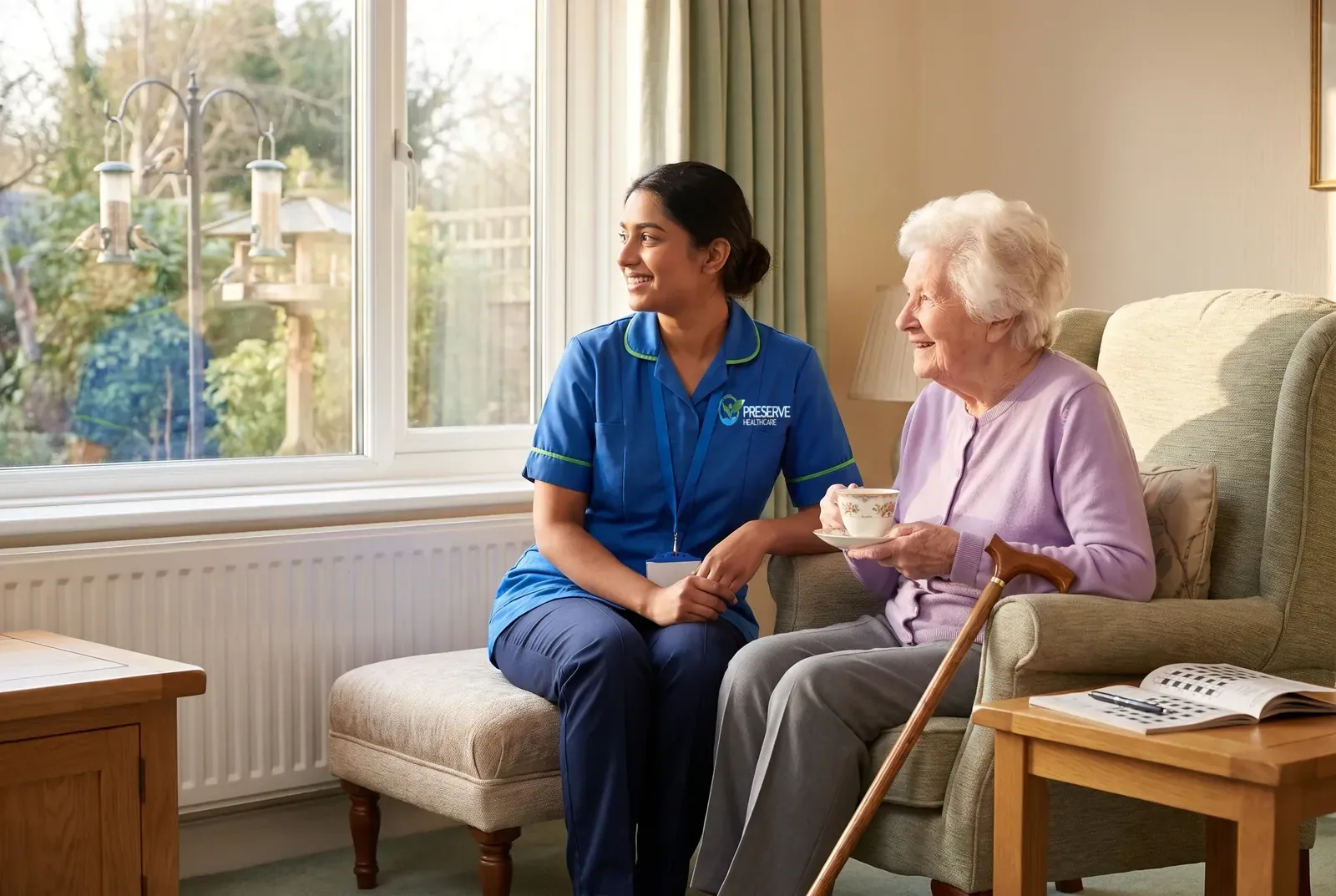
When Everyday Tasks Start to Feel Harder
Getting older does not always come with a diagnosis. Often it is a slow change: the stairs feel steeper, a bath feels risky, cooking a proper meal feels like too much effort. It may be harder to remember whether today's tablets have been taken.
Frailty can also follow a fall, an illness or a stay in hospital, leaving someone less steady and less confident than before. None of this means giving up independence. The right help, at the right times of day, can make home feel manageable again.
Signs a Parent or Partner May Need Some Support
This checklist is a guide, not an assessment. Your answers are not saved or sent.
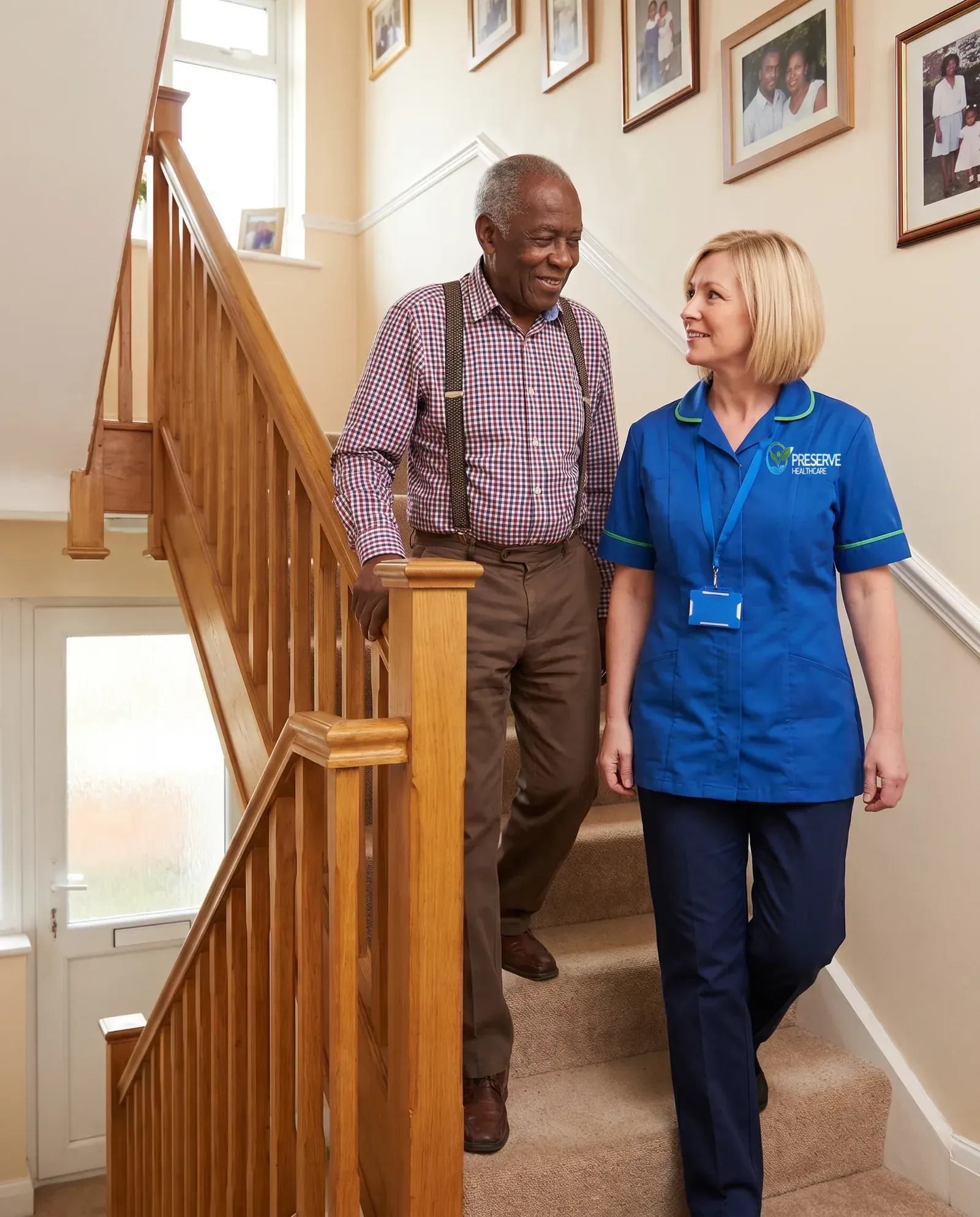
How We Can Help
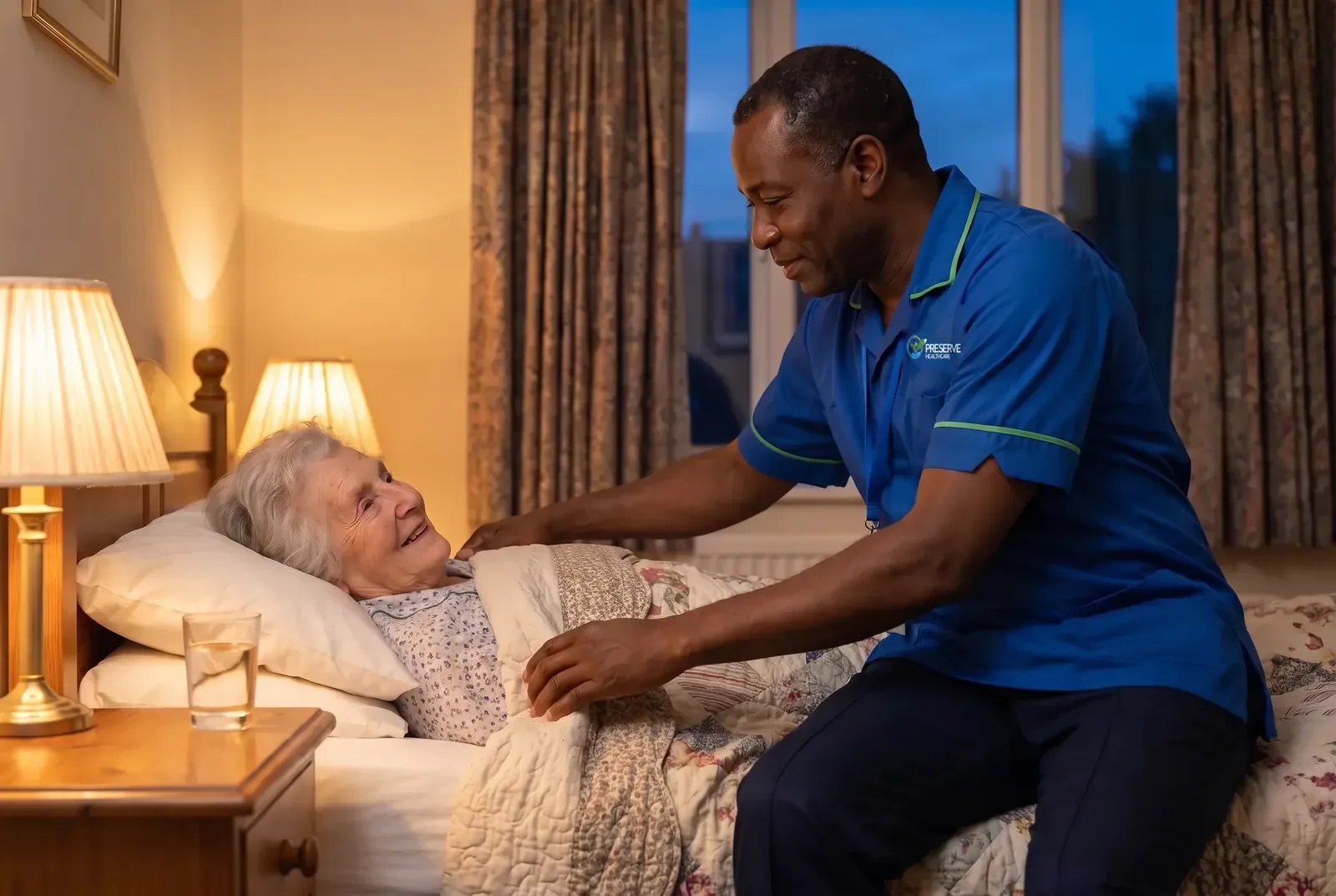
Personal care
Help with washing, bathing and dressing, with privacy and dignity.
Meals and drinks
Preparing meals you enjoy and keeping an eye on hydration.
Medication reminders
Prompts so medication is taken at the right time, in line with your care plan.
Around the home
Light housework, laundry and changing beds.
Shopping and errands
Picking up essentials or going to the shops together.
Company and confidence
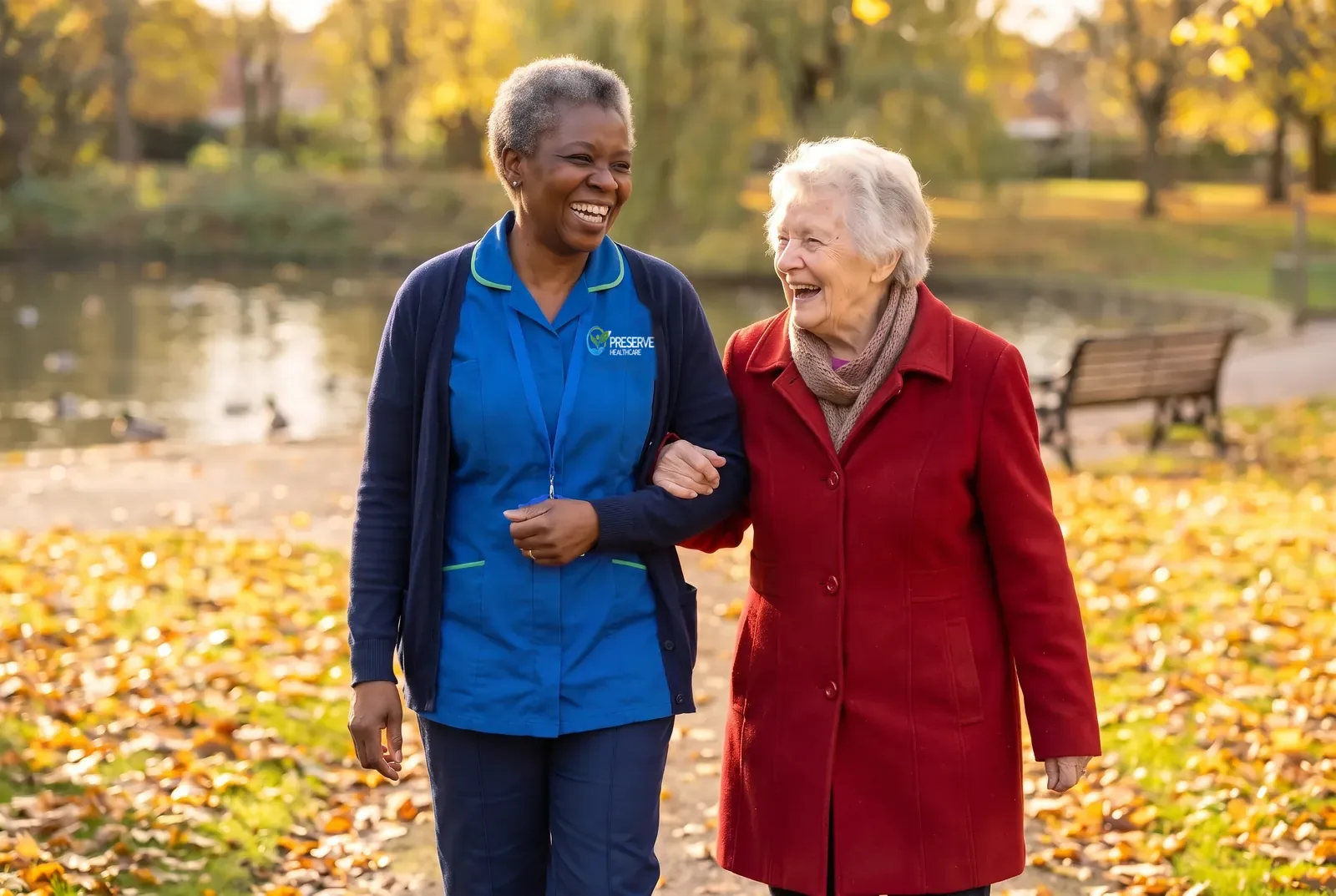
Conversation, a walk and help getting to appointments.
Start Small, Grow When Needed
Staying Safe and Confident at Home
Steady on your feet
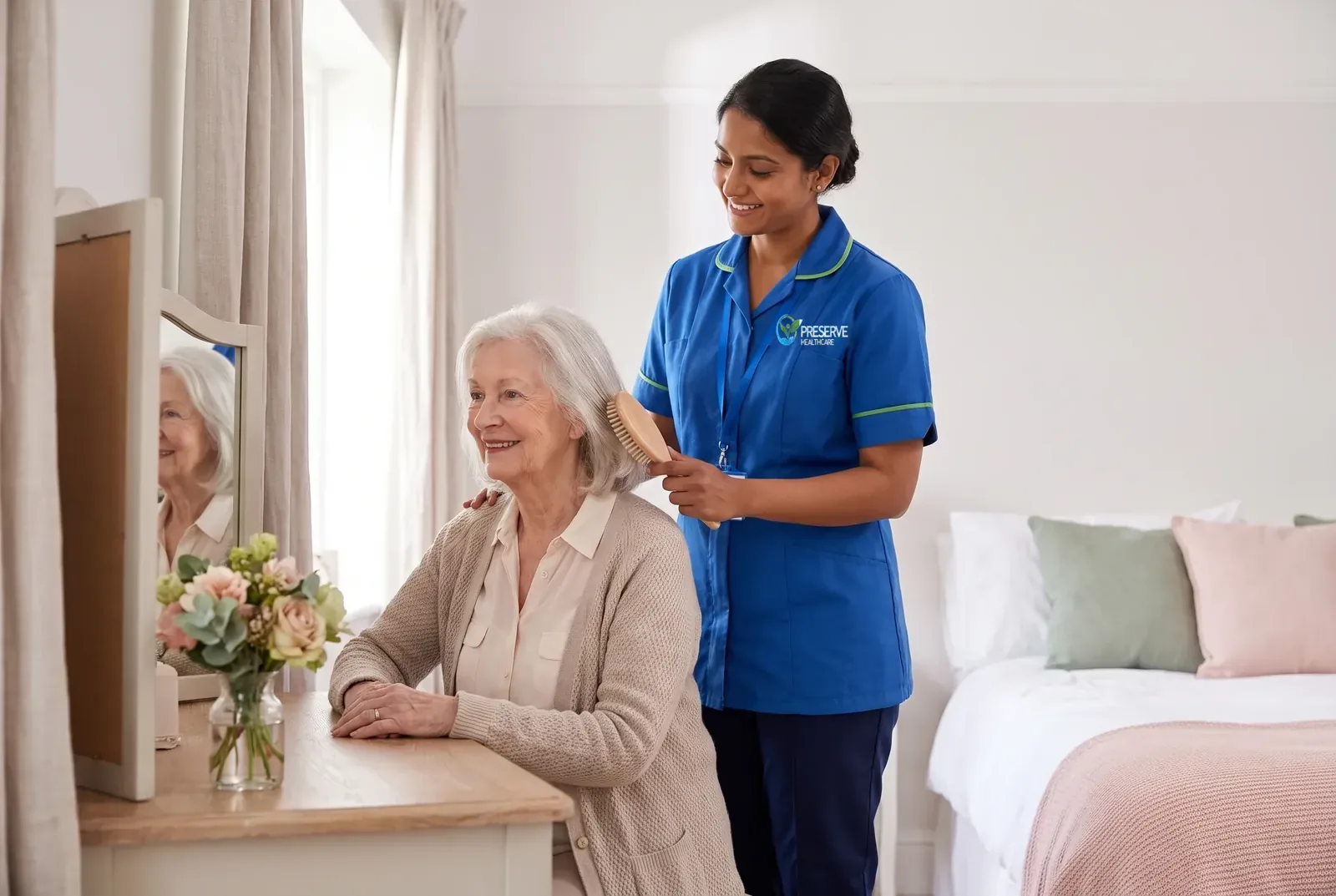
Support moving around the home, getting in and out of chairs and using any walking aids you have.
Falls awareness
Carers notice trip hazards and changes in mobility and share them with you and your family.
Reliable routines
Regular times for meals, medication and rest help many people feel more settled.
Someone noticing
If your health or wellbeing seems to change, we let you and, with your permission, your family know.

Supporting Couples and Family Carers
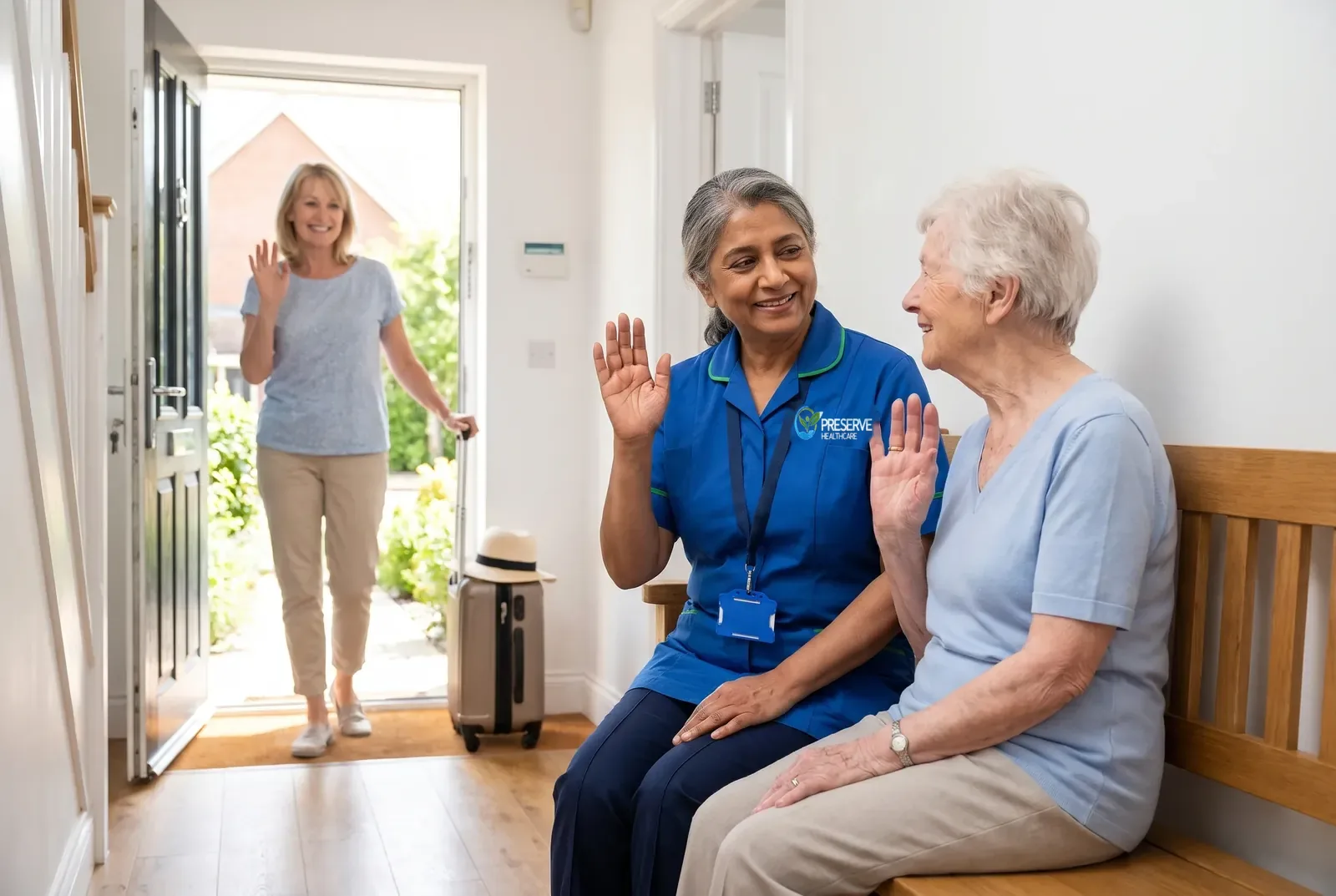
Often it is a husband or wife who quietly does most of the caring, until it becomes too much. We can support both partners at home, give a family carer time to rest or help adult children who live further away feel confident that Mum or Dad is safe and well.
With consent, we keep relatives updated so nobody is left wondering.


Not Sure If This Is the Right Fit?
You do not need a diagnosis or a complex condition to ask about care. If everyday life is becoming harder, we are happy to talk it through.
Questions About Care for Older Adults
Talk to Us About Support at Home
Tell us a little about what is becoming harder and we will talk through the options with you or your family. No pressure and no obligation.
- Phone
- 07857 185750